Humans have been gambling since the Ice Age [View all]
April 2, 2026
4 min read
A new archeological finding shows that Native Americans were exploring probability through games of chance far earlier than their Old World counterparts
By Joseph Howlett edited by Lee Billings
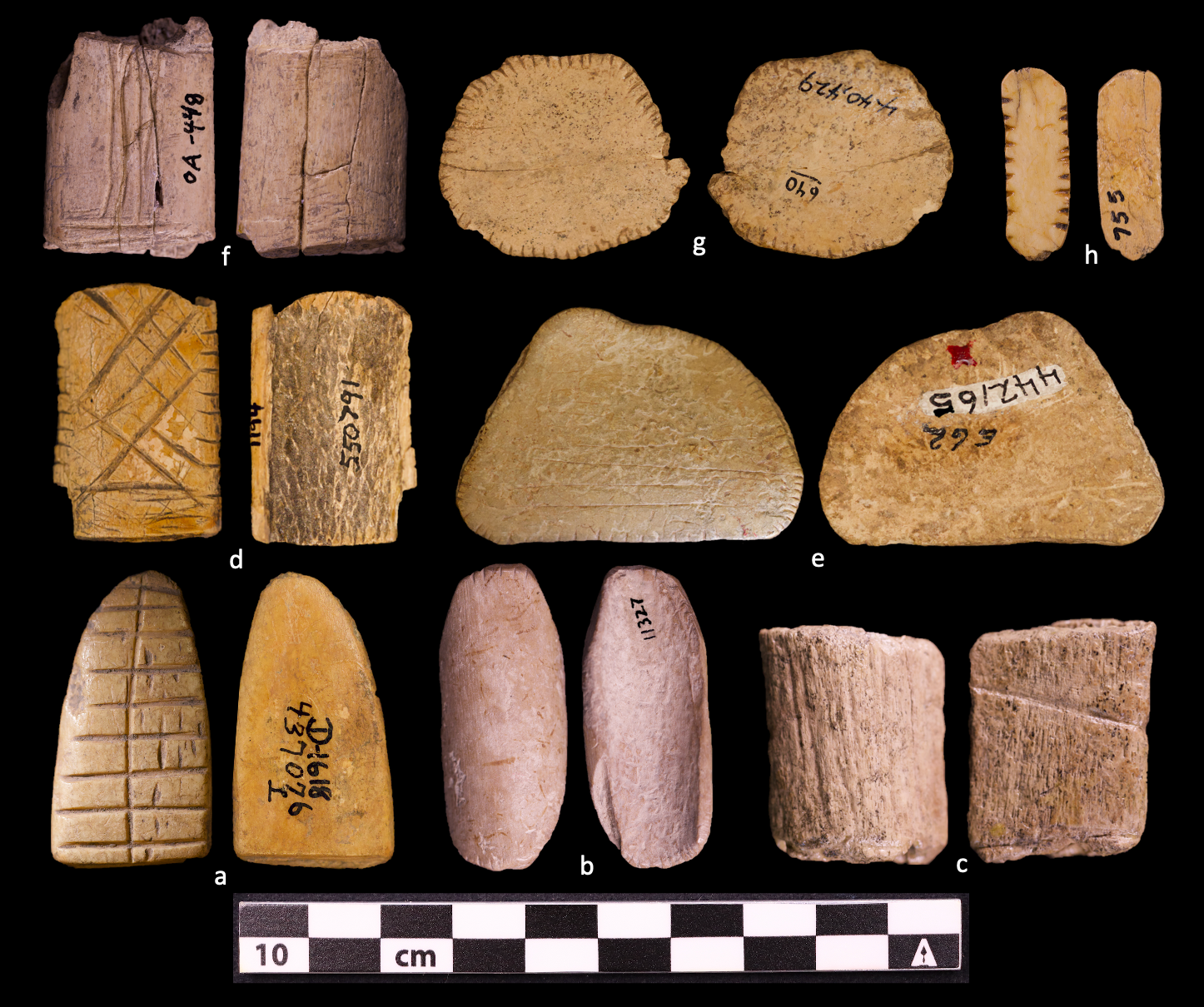
Various prehistoric dice and game pieces found across North America.
Humans played games using two-sided dice like these for millennia longer than archaeologists previously knew, according to a new study published today. Robert Madden
The history of gambling goes back way further than anyone imagined. This new discovery drastically alters the date of a key intellectual moment in the history of human culture—the recognition that some events in nature are random, under nobody’s control.
All games of chance, from Yahtzee to horse race betting, rely on probability, a relatively unintuitive concept. So archaeologists have taken care to document early examples, including dice used for games played by North Americans as early as 2,000 years ago. They’ve uncovered similar-seeming objects at even more ancient sites, but these pieces were individually too tiny and nondescript, and too isolated in the archaeological record, to identify with any certainty.
A new analysis by archaeologist Robert J. Madden, published today in the journal American Antiquity, changes that. Madden combed through this sparse record, confirming the oldest-known dice and establishing an unbroken, previously hidden lineage of chance-based games dating back at least 12,000 years, 6,000 before any counterpart in the Old World.
“This is the most exciting paper I’ve seen in North American archaeology in at least the last five years,” says Robert Weiner, an archaeologist at Dartmouth College. “Demonstrating this Native American contribution to global intellectual history is fantastic.”
More:
https://www.scientificamerican.com/article/humans-have-been-gambling-since-the-ice-age/

 = new reply since forum marked as read