Cancer risk may increase with proximity to nuclear power plants -- Harvard [View all]
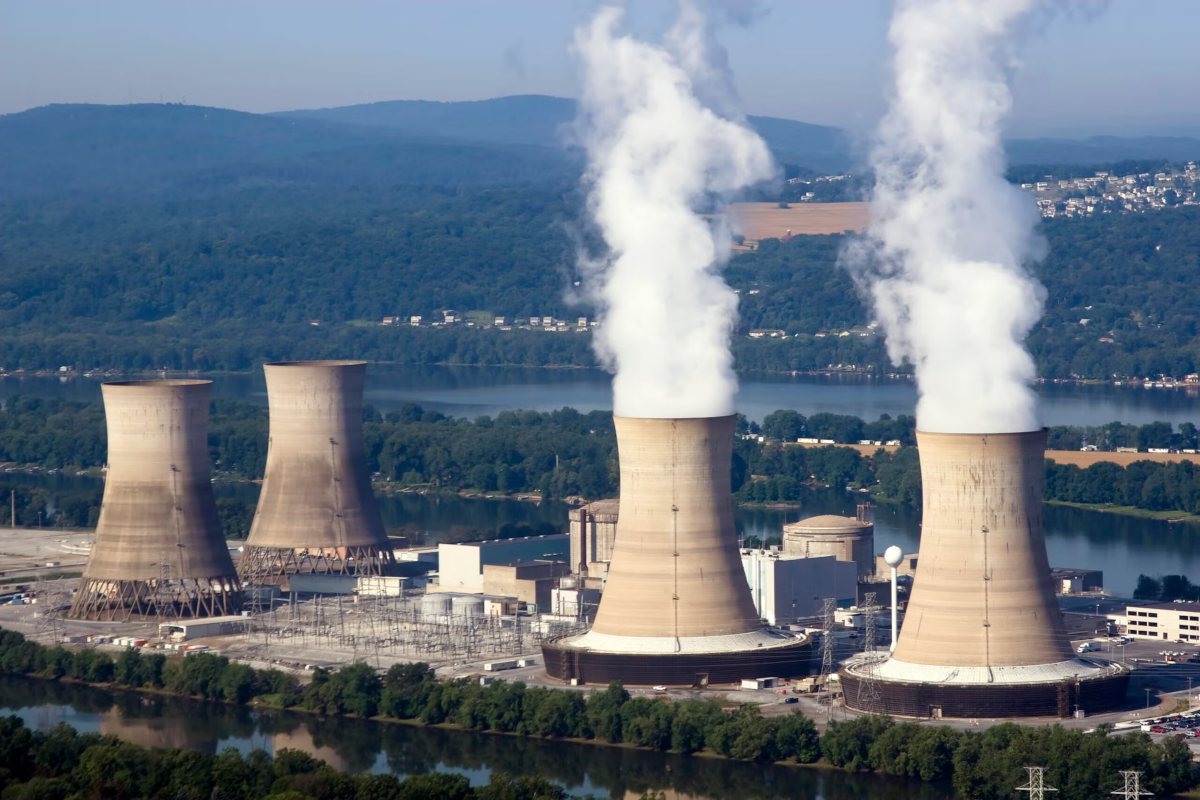 Cancer risk may increase with proximity to nuclear power plants
Harvard.edu | Maya Brownstein | December 18, 2025
In Massachusetts, residential proximity to a nuclear power plant (NPP) was associated with significantly increased cancer incidence, with risk declining by distance, according to a new study led by Harvard T.H. Chan School of Public Health.
The study was published Dec. 17 in Environmental Health. It was conducted by researchers in the Department of Environmental Health, including corresponding author Yazan Alwadi, PhD student, and senior author Petros Koutrakis, professor of environmental sciences.
Despite widespread—and potentially expanding—reliance on nuclear power in the U.S., epidemiologic research investigating the health impacts of NPPs remains limited. Meanwhile, the results of studies conducted internationally vary significantly. To broaden the evidence base, the researchers assessed proximity of Massachusetts zip codes to nuclear power plants and 2000-2018 cancer incidence data collected by the Massachusetts Cancer Registry. They controlled for confounders such as air pollution and sociodemographic factors.
The researchers estimated that about 20,600 cancer cases in the state—roughly 3.3% of all the cases included in the study—were attributable to living near an NPP, with risk declining sharply beyond roughly 30 kilometers from a facility. The risk of developing cancer attributable to living near an NPP generally increased with age. more
https://hsph.harvard.edu/news/cancer-risk-may-increase-with-proximity-to-nuclear-power-plants/
Read the study:
https://link.springer.com/article/10.1186/s12940-025-01248-6
Results
Proximity to plants significantly increased cancer incidence, with risk declining by distance. At 2 km, females showed RRs of 1.52 (95% CI: 1.20–1.94) for ages 55–64, 2.00 (1.59–2.52) for 65–74, and 2.53 (1.98–3.22) for 75 + . Males showed RRs of 1.97 (1.57–2.48), 1.75 (1.42–2.16), and 1.63 (1.29–2.06), respectively. Cancer site-specific analyses showed significant associations for lung, prostate, breast, colorectal, bladder, melanoma, leukemia, thyroid, uterine, kidney, laryngeal, pancreatic, oral, esophageal, and Hodgkin lymphoma, with variation by sex and age. We estimated 10,815 female and 9,803 male cancer cases attributable to proximity, corresponding to attributable fractions of 4.1% (95% CI: 2.4–5.7%) and 3.5% (95% CI: 1.8–5.2%).
$30+ BILLION to build a nuke plant to heat water is nothing if it causes cancer as a bonus, is it.

 = new reply since forum marked as read