'Image manipulation has always been around': 10 early photographic 'fakes' that trick the eye [View all]
Image manipulation and the unreliability of the visual media we consume is causing widespread concern. Elon Musk's controversial AI chatbot, Grok, which caused uproar after it was used to alter images of people so that they appear stripped of their clothing, is the latest in a series of sophisticated digital imaging tools that have falsified photographs and, in some cases, caused serious harm. In January, following widespread criticism, this function was disabled for most users, and the European Commission launched an investigation into its use.
It will take more than this, however, to restore our faith in the photographic image. Since the early days of Photoshop in the 1990s, developments in image fakery have seen us looking at photographs with rising suspicion. But the Rijksmuseum's latest photography exhibition asks a pertinent question: Have photographs ever told the truth?
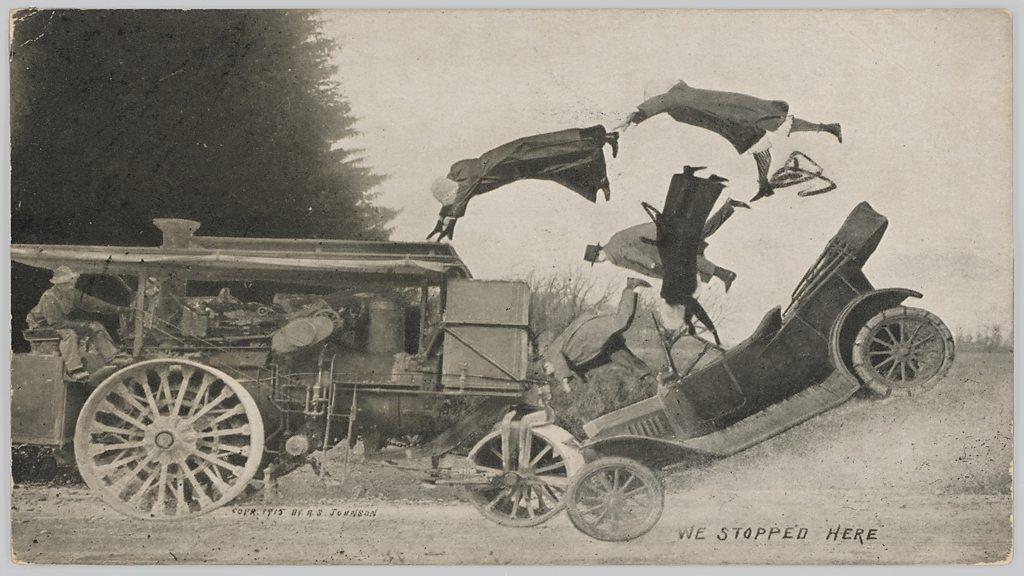
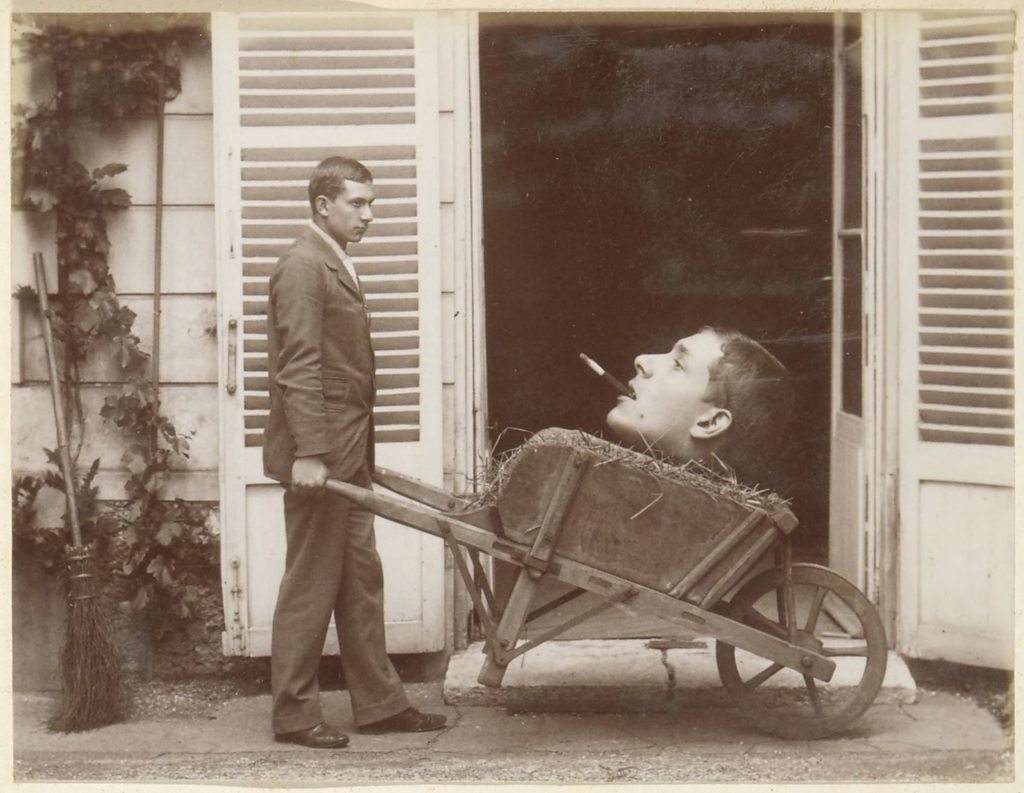
Focusing on images taken between 1860 and 1940, Fake! Early Photo Collages and Photomontages from the Rijksmuseum Collection makes the case that image fakery is far from a recent phenomenon and, when used wisely, can even be a force for good. From collages created with scissors and glue to clever deceptions fabricated under cover of darkness in their developing rooms, photographers have always enjoyed fooling their audiences. "Image manipulation has been around as long as photography itself," the exhibition’s curator, Hans Rooseboom, tells the BBC. "It’s part of the whole history of photography." Here are 10 images from the exhibition that tell the story of the early days of photographic trickery.
https://www.bbc.com/culture/article/20260216-10-early-photographic-fakes-that-trick-the-eye
Here's a couple of pix. More at link.

 = new reply since forum marked as read