Controversial top vaccine regulator to depart FDA
Vinay Prasad, the top regulator overseeing vaccines and complex treatments for difficult diseases, had previously lost his job in July before getting it back less than two weeks later.
Updated
March 6, 2026 at 8:13 p.m. EST yesterday at 8:13 p.m. EST
4 min
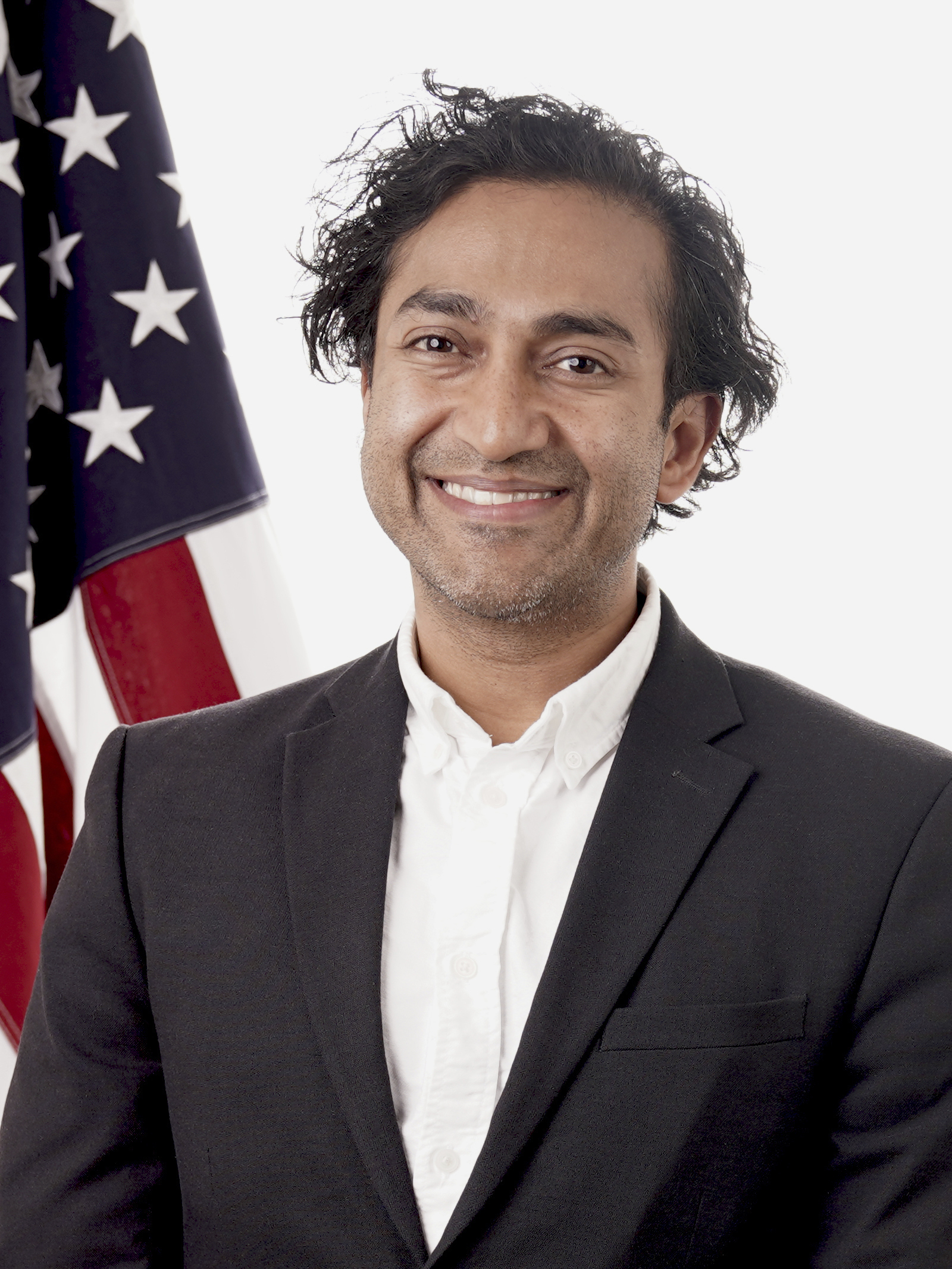
Vinay Prasad. (U.S. Food and Drug Administration/AP)
By Rachel Roubein
The nation’s controversial top vaccine regulator is leaving his job at the end of April, federal health officials said Friday. ... Vinay Prasad had begun his role leading vaccines and complex treatments for difficult diseases in May, but has had a rocky tenure at the Food and Drug Administration over the past year, overseeing divisive decisions about drugs and a new plan to tighten vaccine approvals.
“He got a tremendous amount accomplished within his one-year sabbatical from [University of California at San Francisco] and will be returning back to his academic home later next month,” FDA Commissioner Marty Makary wrote in a post on X. He cited some of Prasad’s work, including on new guidelines narrowing approvals of new coronavirus vaccines to older adults and those with health conditions and new vouchers to expedite drug decisions.
The
Wall Street Journal first reported the news. Prasad did not immediately respond to a request for comment. ... Prasad, a key Makary ally, had
been ousted at the direction of the White House in July after a right-wing pressure campaign over his handling of drug approvals and past support for Democrats. He was
hired back less than two weeks later after Makary, who championed and elevated Prasad, reached out to the White House. The White House then reevaluated criticisms of Prasad and supported his return after finding them disingenuous.
In late November, Prasad laid out a
stricter approach for federal vaccine approvals, citing his team’s conclusion, without detailing the evidence, that coronavirus vaccines had contributed to the deaths of at least 10 children. Former leaders of the FDA had
condemned the plans, saying they risked undermining the nation’s ability to fight infectious diseases.
{snip}
By Rachel Roubein
Rachel Roubein is a national health-care reporter for The Washington Post covering the Food and Drug Administration. Reach her securely on Signal: RachelRoubein.28follow on X@rachel_roubein

 = new reply since forum marked as read