Designing sustainable transit for all ages
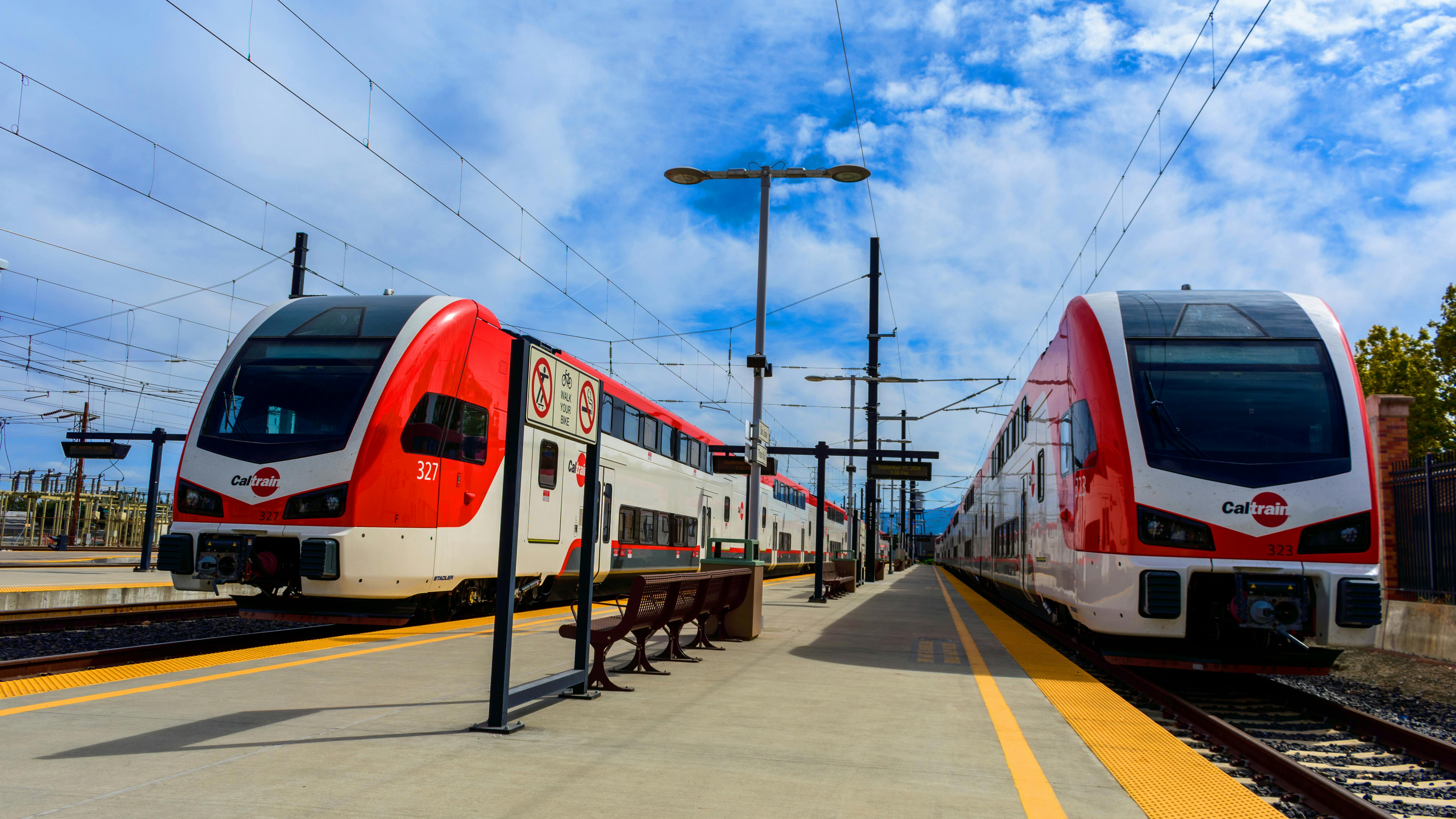 Op-Ed: Designing sustainable transit for all ages
As the average population age increases, transit agencies are being called on to upgrade their systems to meet changing needs.
Op-Ed: Designing sustainable transit for all ages
As the average population age increases, transit agencies are being called on to upgrade their systems to meet changing needs.
Balsam Nehme
Dec. 12, 2025
4 min read
By 2030, the World Health Organization notes that one in six people globally will be 60 or older, and it’s a significant problem for the future of transit. Many cities across the U.S. already struggle with inequitable access and infrastructure strain where transit systems are aging faster than we are. These pressures only intensify as the population ages. This demographic shift brings questions around the future of mobility: How do our transportation systems age alongside us while maintaining equity, sustainability and long-term climate resilience?
It’s a tall order. Traditional transit models are often high-carbon, inflexible and designed around car dependency, not built for the needs of older adults or a world looking to decarbonize. While some cities have programs to limit congestion and reduce urban emissions, many are finding it difficult to rely on aging public transit systems that don’t offer universal accessibility. Addressing this issue requires a transformation centered on electromobility and inclusive designs that support cleaner and more accessible movement for all.
The cost of car-dependent systems
Across the country, transit networks were often designed to assume that residents can drive. It makes sense when looking at the numbers. According to census data, 92% of U.S. households have access to a car. Public transit alone emits 1.86 million metric tons of carbon dioxide annually. This is equivalent to powering 387 million homes for a year or taking over 3,100 million transatlantic flights. It would take around 2.2 million acres of forest to absorb that carbon each year. These systems are contributing to air pollution, respiratory illnesses and more.
....(snip)....
Public transit as the backbone of urban cities
Public transit is capable of moving large numbers of people efficiently, affordably and with lower emissions, but many global cities still have significant gaps in access. These gaps tend to appear in neighborhoods with older populations, limited walkability or fewer healthcare services, where long wait times and distant stops can make routine trips difficult. ...............(more)
https://www.masstransitmag.com/management/blog/55336766/op-ed-designing-sustainable-transit-for-all-ages
