Environment & Energy
Related: About this forum
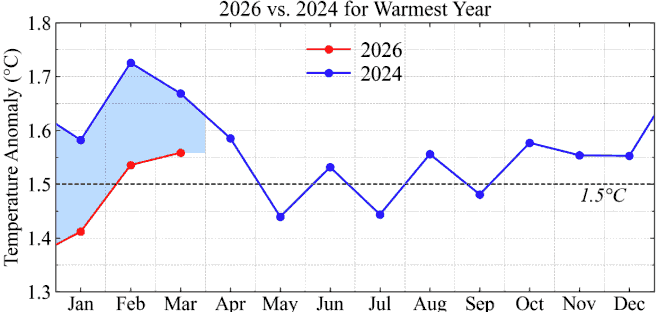
Scientists Digging Into Impacts Of 2021 Western Heatwave Even As Winter 2026 Heat Shattered May Temp Records In March
In March, a month traditionally known for heavy mountain snows and dreary lower-elevation weather, a heat wave settled across the West, shattering temperature records from Tucson, Arizona, to Casper, Wyoming. The heat wave’s intensity and early arrival shocked many climate scientists. “It is exceptionally difficult for the Earth system to produce temperatures this warm so early in the season,” wrote Daniel Swain, a climatologist with the University of California Agriculture and Natural Resources who runs the Weather West blog.
Yet not only did Western locations set new March highs; many exceeded temperature records for May. And those high temperatures kept hanging on, said Zachary Labe, a climate scientist at the nonprofit science center Climate Central, for nearly two weeks. While heat waves are a natural phenomenon, this was the earliest and most widespread one ever recorded in the Southwest. And it was caused by climate change, which is making intense heat waves much more likely. Researchers say this means understanding their fallout is even more important.
Scientists are just now beginning to understand the ramifications of a devastating 2021 heat wave, when a massive heat dome brought 120-degree temperatures to the Pacific Northwest, causing widespread ecological damage. Tens of thousands of trees died. Baby birds that could not yet fly plummeted to the ground as they tried to escape the heat. Salmon and trout suffocated in small streams. Millions — perhaps even billions — of mussels and barnacles cooked.
This year’s heat wave may not have had the same immediate ecological impacts, but it comes on the heels of an already record-breaking hot, dry winter. Researchers say 2021 holds lessons about what lies ahead for both vulnerable and resilient species. Ecosystems, they warn, are likely to permanently change as some species simply can’t handle the heat.Fully understanding the impact that events like heat waves have on long-lived tree species takes time. Research is now trickling out from places like Washington, Oregon, and British Columbia, and it’s not good. The 2021 heat wave either killed or otherwise harmed more than three-quarters of species surveyed, including by limiting their reproductive success, according to Julia Baum, a professor at the University of Victoria who co-wrote a recent paper on the long-term impacts. The hardest hit, perhaps unsurprisingly, were those unable to move to seek shade or cooler temperatures. Marine species like acorn barnacles and green rope seaweed fared the worst, as did kelp, surfgrass, and rockweed.
EDIT
https://grist.org/extreme-heat/the-ramifications-of-record-shattering-heat-on-the-wests-ecosystems/
 = new reply since forum marked as read
Highlight:
NoneDon't highlight anything
5 newestHighlight 5 most recent replies
= new reply since forum marked as read
Highlight:
NoneDon't highlight anything
5 newestHighlight 5 most recent replies